











Product name: tart shell forming machine, tart shell making machine, pastry base pressing machine Model: MS-030F External size: 2730*1310*1630mm Total power: 4.5KW Input power: 220V Machine weight: 350KG Production capacity: 0~25pcs/min
Product name: commercial bread slicer, industrial loaf slicer, bread slicing machine, automatic bread slicer Model: MS-016 External size: 2600*910*1720mm Total rated power: 4.5KW Input power: 380V Machine weight: 500KG Production capacity: 0~30 loaves per minute
Product name: automatic dough sheeter, puff pastry machine, laminated pastry sheeter Model: MS-037 External size: 4200*1140*1360mm Total rated power: 4KW Input power: 220V Machine weight: 650KG Production capacity: 250KG per hour
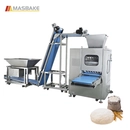
Product name: dough divider & rounder, dough portioning machine, dough rounder machine, dough processing line Model: MS-048 External size: 20700*1550*1400mm Total rated power: 6.5KW Input power: 380V Machine weight: 1850KG Production capacity: 600KG per hour
Contents
1.Introduction: Why the Right Mixers Matters
2.Overview of Commercial Mixer Types
3.Matching Mixer to Dough Type
4.Batch Volumn and Production Scale
5.Additional Considerations When Choosing a Mixer
6.Choosing a Reliable Manufacturer
1. Introduction: Why the Right Mixer Matters
In commercial baking, consistency, efficiency, and product quality begin with the right mixing process. Choosing a suitable dough mixer isn’t just about power or price—it’s about understanding your production volume, dough characteristics, and product diversity. Whether you're mixing stiff pizza dough or delicate cake batter, using the wrong type of mixer can affect dough development, texture, and even equipment lifespan. This guide by Masbake China commercial dough mixer supplier breaks down the key differences between spiral and planetary mixers and helps you identify the best match for your bakery’s needs—by dough type, batch size, and production goals.
2. Overview of Commercial Mixer Types
Choosing the right commercial mixer is essential for maximizing efficiency and achieving consistent product quality in a professional bakery. With various dough types requiring different mixing actions and capacities, understanding the differences between spiral and planetary mixers can help you select the ideal equipment for your production needs.
● Spiral vs. Planetary Mixers: Key Differences
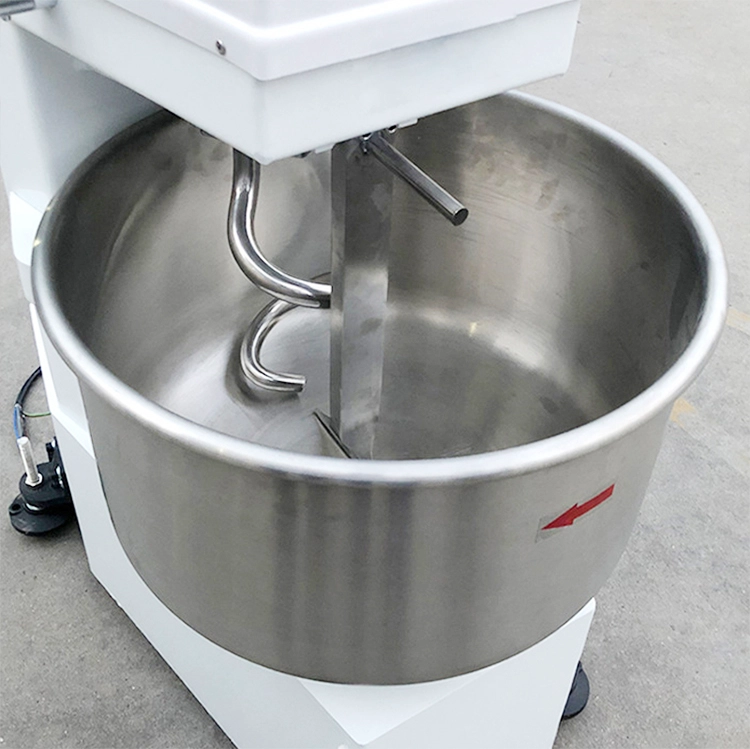
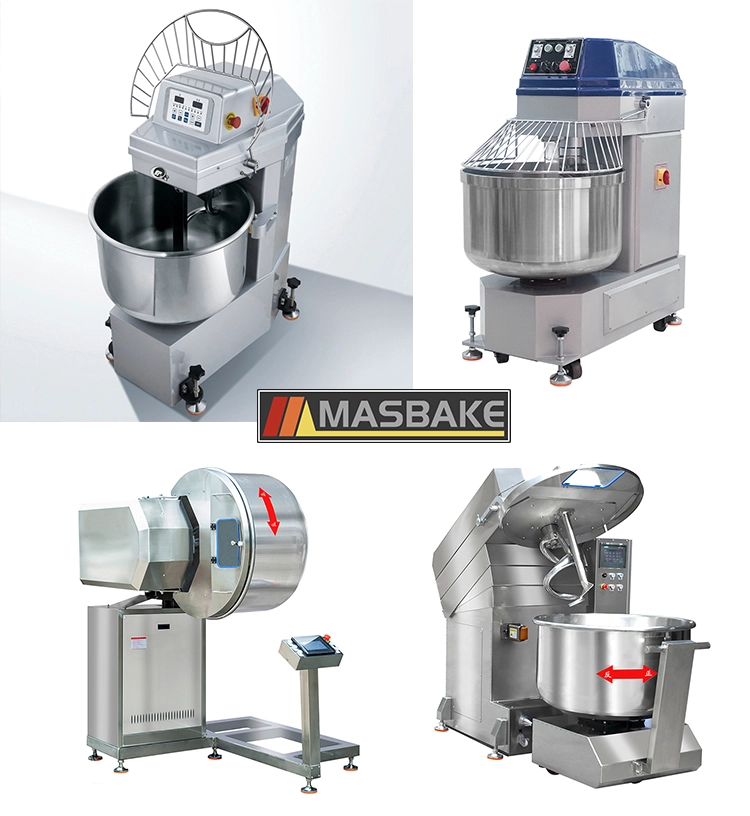
Spiral Mixers are specifically designed for heavy, low-hydration doughs such as pizza, bagels, and artisan breads. Their spiral-shaped agitator and rotating bowl work together to gently develop gluten structure while minimizing heat buildup—critical for yeast-based doughs. Spiral mixers typically have higher capacities and are better suited for large batches of the same type of dough.
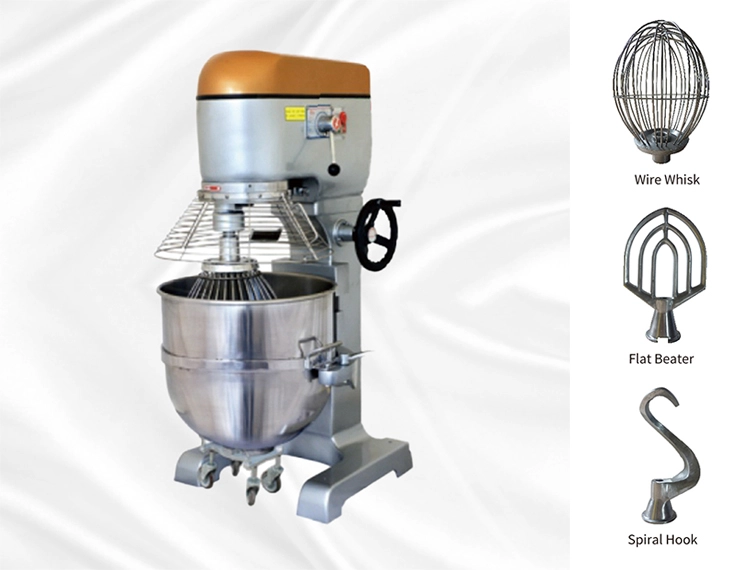
Planetary Mixers, on the other hand, feature a stationary bowl and an agitator that moves in an orbital (planetary) motion. This versatile design accommodates a wide range of mixing attachments—such as a paddle, hook, or whisk—making it ideal for preparing various batters and doughs including cookies, cakes, soft bread, icing, and pastry cream. Planetary mixers are preferred in bakeries that require flexibility and smaller batch sizes.
● Spiral Mixers
- Uniform mixing with minimal heat generation
- Faster kneading time for heavy doughs
- Strong gluten structure
- Ideal for large-scale production of one dough type
● Planetary Mixers
- Multipurpose: dough, batter, creams, meringues
- Tool versatility (hook, paddle, whisk)
- Excellent for bakeries with diverse product lines
3. Matching Mixer to Dough Type
Best Mixer Choices for Common Bakery Products
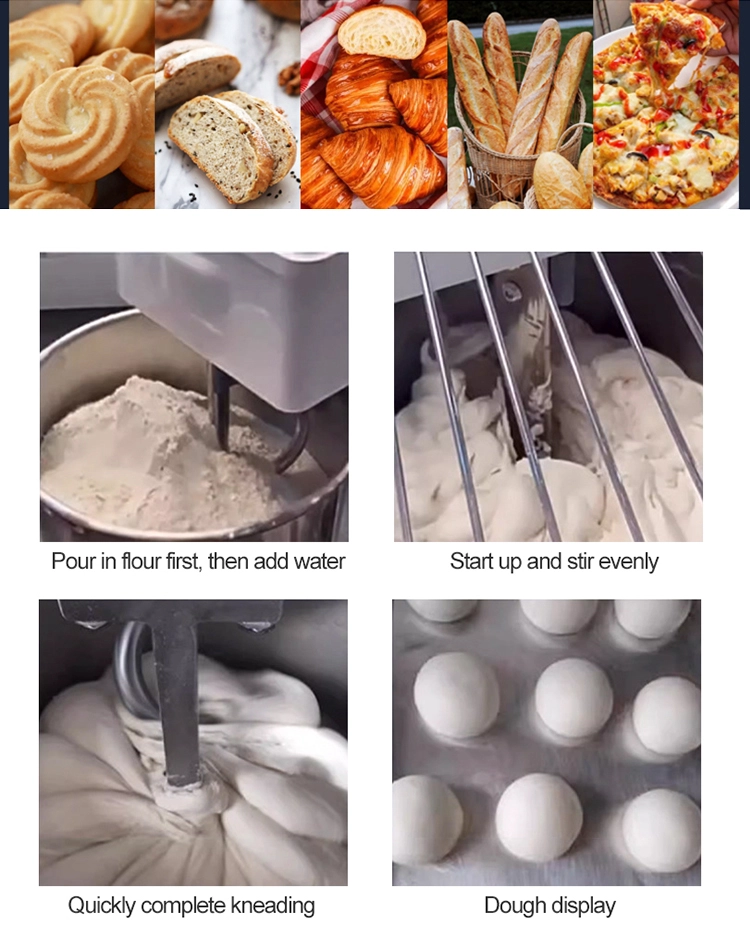
Pizza Dough / Bagel Dough / Artisan Bread:
➤ Best choice: Spiral Mixer
High-gluten, low-hydration doughs benefit from the gentle yet powerful kneading of spiral mixers, which ensure strong gluten development and excellent fermentation.
Soft Bread (e.g., sandwich loaves, dinner rolls):
➤ Best choice: Spiral Mixer or Planetary Mixer (depending on volume)
Spiral mixers are ideal for large-scale production, while a planetary mixer can work well for smaller operations.
Cookies / Shortbread Dough:
➤ Best choice: Planetary Mixer with Paddle Attachment
Planetary mixers provide the right creaming and blending action for cookie doughs with butter, sugar, and inclusions like chocolate chips or nuts.
Cake Batter / Muffins / Whipped Fillings:
➤ Best choice: Planetary Mixer with Whisk or Paddle
The planetary mixer's ability to switch tools makes it perfect for delicate batters and aerated mixes that require controlled mixing.
4. Batch Volumn and Production Scale
● Small Bakeries & Pastry Shops
- Versatile for a wide range of applications
- Economical for limited production space
● Medium-Scale Commercial Bakeries
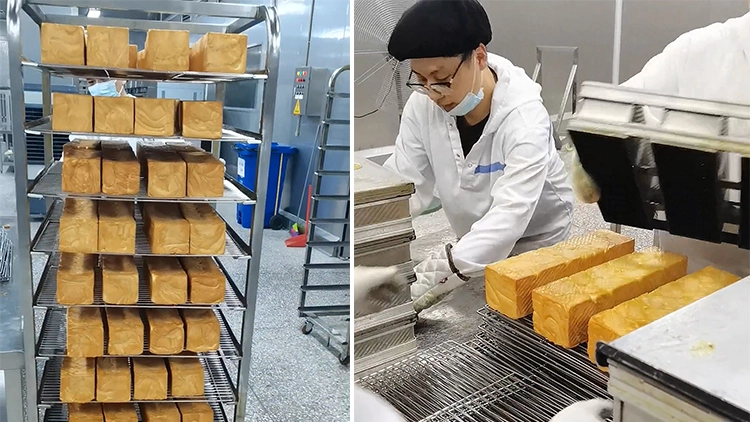
● Large-Scale Industrial Bakeries or Food Plants
- Hydraulic bowl lifting
- Tilting systems
- Safety covers and emergency shut-off
5. Additional Considerations When Choosing a Mixer
6. Choosing a Reliable Manufacturer: Why Masbake?
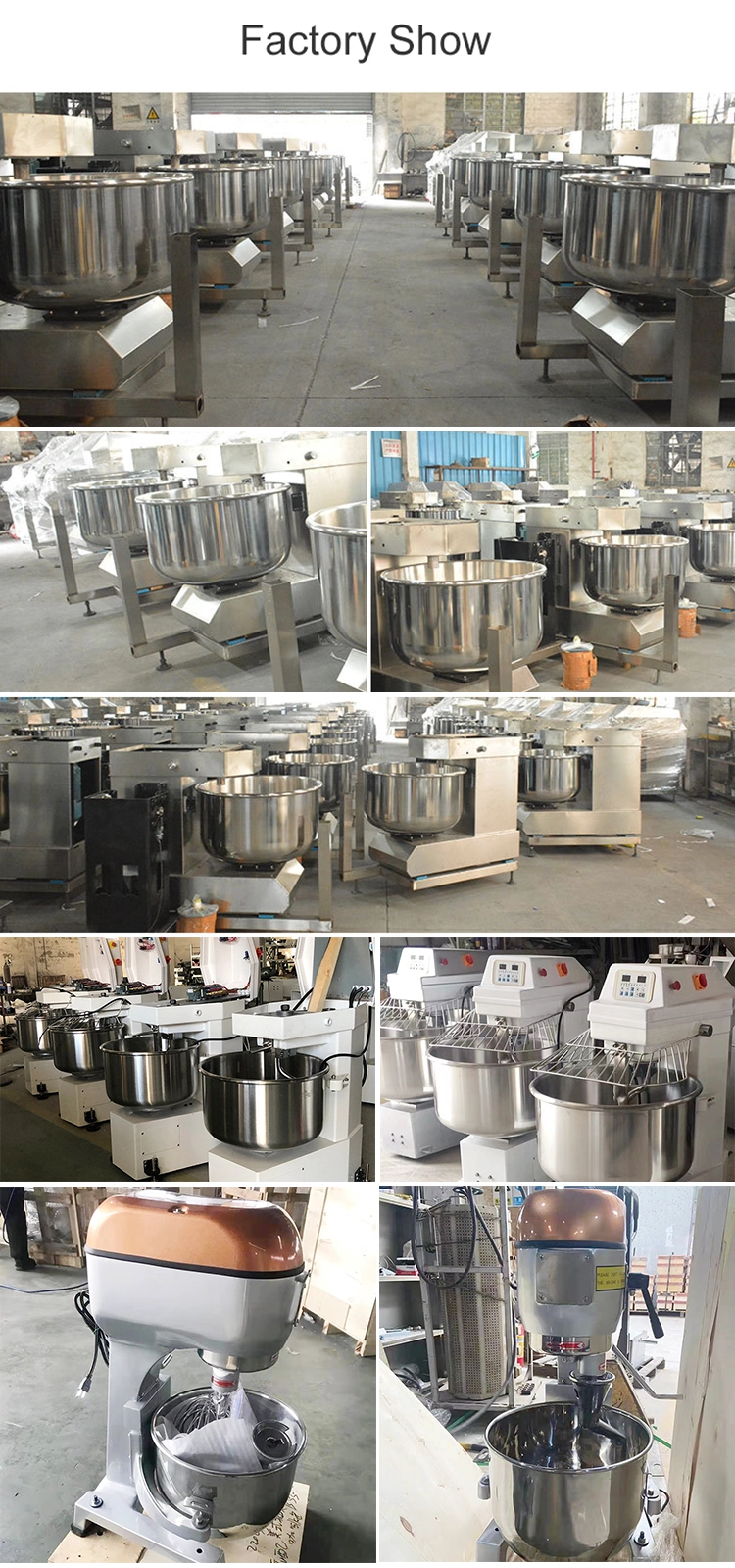
When investing in bakery equipment, durability and support are just as crucial as functionality. Masbake, a professional bakery machine manufacturer in China, offers a wide range of spiral and planetary mixers engineered for commercial kitchens and food factories. Known for their robust construction, customizable features, and dependable after-sales service, Masbake mixers help bakeries worldwide achieve consistent mixing performance—batch after batch.
● What Sets Masbake Apart?
Conclusion: The right mixer is more than a tool—it’s the backbone of your bakery’s production quality. By aligning your choice of mixer with your specific dough types, daily volume, and production setup, you ensure better results and long-term efficiency. Spiral mixers excel at bread and pizza dough, while planetary mixers deliver unmatched versatility for cake batters, cookies, and creams. Whether you’re expanding your current bakery or launching a new production line, Masbake baking equipment factory in China provides high-performance mixers backed by expert engineering and industry insight. Let your mixer match your craft—perfectly.